logo
Dom
produkty
Dobra cena.  w Internecie

szczegółowe informacje o produktach

Dom > produkty >
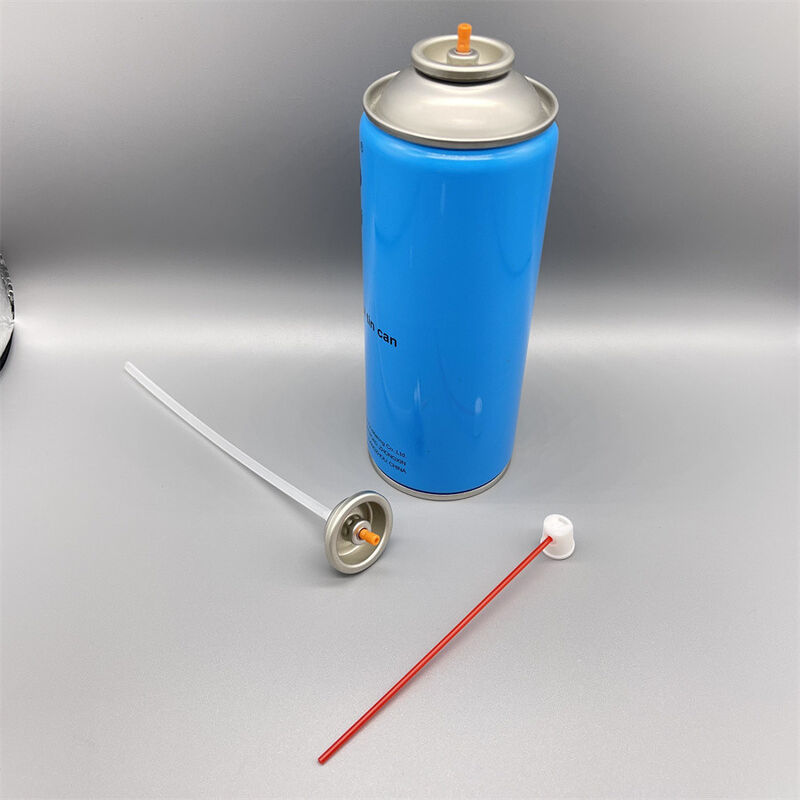
Zawór do rozpylania aerozolu samochodowego
>
Smart WD-40 Lubricant Valve for Automated Industrial Systems with IoT Connectivity and Data Logging
Wszystkie kategorie
Skontaktuj się z nami
Ms. Bonnie
+86 15373307552
wechat +8615373307552
Skontaktuj się teraz

Smart WD-40 Lubricant Valve for Automated Industrial Systems with IoT Connectivity and Data Logging

Nazwa marki: MUFUTE
MOQ: 100000 zestawów
Cena £: negocjowalne
Szczegóły opakowania: KARTON
Warunki płatności: L/C, D/A, D/P, T/T, Western Union, Moneygram
Szczegółowe informacje
Miejsce pochodzenia:
Hebei, Chiny
Typ zaworu:
Rozpylać
Zapalny:
Tak
Typ kontenera:
Aerozol może
Próbka:
bezpłatny
Możliwość Supply:
10 000 000 zestawów miesięcznie
Podkreślić:

WD-40 Aerosol lubricant valve

,

WD-40 Corrosion inhibitor valve

,

WD-40 Lubricant valve

Opis produktu
Smart WD-40 Lubricant Valve for Automated Industrial Systems with IoT Connectivity and Data Logging
Step into the future of Industry 4.0 with the Smart WD-40 Lubricant Valve, an integral component for automated lubrication systems. This valve is equipped with IoT connectivity, allowing it to communicate with a central control system to confirm operation and log each lubrication event. It delivers a precise dose of condition-based lubricant based on real-time machine data, moving beyond simple time-based schedules.
This predictive maintenance capability is transformative, applying lubricant only when needed, which optimizes consumption and prevents both under and over-lubrication. The valve provides usage analytics that help plant managers understand consumption patterns and identify anomalies. By integrating this smart-factory component, you enable a data-driven approach to machinery care, significantly reducing wear, preventing unexpected downtime, and pushing the efficiency of your manufacturing operations to new heights.
Key Features
  • Features IoT connectivity for integration into smart factory networks and control systems
  • Enables the precise application of condition-based lubricant for optimal machine health
  • A core enabling technology for a predictive maintenance strategy
  • Provides valuable usage analytics for monitoring system health and lubricant consumption
  • Transforms lubrication from a manual chore to an automated, data-driven process
Application Scenario
In an automated packaging line, the smart valve receives a signal from a vibration sensor on a high-speed bearing. It then dispenses a precise amount of lubricant, and logs the event, preventing a failure that was predicted by the data.
Production Details
Factory Production Floor: Production involves clean-room assembly for the electronic components. Each valve's sensor and communication module are calibrated and tested on a simulated network before being sealed in its industrial housing.
Packing and Transportation: Valves are packaged in ESD-safe, compartmentalized boxes with unique QR codes for registration and integration into the customer's IoT platform. Documentation includes digital access keys and API information.
Frequently Asked Questions
What kind of IoT connectivity does it use?
It typically uses standard industrial protocols like IO-Link or wireless options like LoRaWAN to seamlessly integrate into existing factory automation systems.
What is condition-based lubricant application?
It means lubricant is applied based on the actual condition of the machine (e.g., temperature, vibration, running hours) rather than a fixed calendar schedule, which is more efficient and effective.
How does this enable predictive maintenance?
By logging every lubrication event and working with sensor data, it helps build a model of normal machine behavior. Deviations from this model can predict a failure before it happens.
What type of usage analytics does it provide?
It can report on the number of actuations, estimated lubricant used, and identify if a specific valve has failed to operate, providing a clear picture of the lubrication system's health.
Is this smart-factory component difficult to install?
It is designed to be a drop-in replacement for standard pneumatic or electric valves in automated systems, but it does require configuration by a controls technician to connect to the network.
Dobra cena.  w Internecie

szczegółowe informacje o produktach

Dom > produkty >
Zawór do rozpylania aerozolu samochodowego
>
Smart WD-40 Lubricant Valve for Automated Industrial Systems with IoT Connectivity and Data Logging

Smart WD-40 Lubricant Valve for Automated Industrial Systems with IoT Connectivity and Data Logging

Nazwa marki: MUFUTE
MOQ: 100000 zestawów
Cena £: negocjowalne
Szczegóły opakowania: KARTON
Warunki płatności: L/C, D/A, D/P, T/T, Western Union, Moneygram
Szczegółowe informacje
Miejsce pochodzenia:
Hebei, Chiny
Nazwa handlowa:
MUFUTE
Typ zaworu:
Rozpylać
Zapalny:
Tak
Typ kontenera:
Aerozol może
Próbka:
bezpłatny
Minimalne zamówienie:
100000 zestawów
Cena:
negocjowalne
Szczegóły pakowania:
KARTON
Czas dostawy:
5-10 dni roboczych
Zasady płatności:
L/C, D/A, D/P, T/T, Western Union, Moneygram
Możliwość Supply:
10 000 000 zestawów miesięcznie
Podkreślić:

WD-40 Aerosol lubricant valve

,

WD-40 Corrosion inhibitor valve

,

WD-40 Lubricant valve

Opis produktu
Smart WD-40 Lubricant Valve for Automated Industrial Systems with IoT Connectivity and Data Logging
Step into the future of Industry 4.0 with the Smart WD-40 Lubricant Valve, an integral component for automated lubrication systems. This valve is equipped with IoT connectivity, allowing it to communicate with a central control system to confirm operation and log each lubrication event. It delivers a precise dose of condition-based lubricant based on real-time machine data, moving beyond simple time-based schedules.
This predictive maintenance capability is transformative, applying lubricant only when needed, which optimizes consumption and prevents both under and over-lubrication. The valve provides usage analytics that help plant managers understand consumption patterns and identify anomalies. By integrating this smart-factory component, you enable a data-driven approach to machinery care, significantly reducing wear, preventing unexpected downtime, and pushing the efficiency of your manufacturing operations to new heights.
Key Features
  • Features IoT connectivity for integration into smart factory networks and control systems
  • Enables the precise application of condition-based lubricant for optimal machine health
  • A core enabling technology for a predictive maintenance strategy
  • Provides valuable usage analytics for monitoring system health and lubricant consumption
  • Transforms lubrication from a manual chore to an automated, data-driven process
Application Scenario
In an automated packaging line, the smart valve receives a signal from a vibration sensor on a high-speed bearing. It then dispenses a precise amount of lubricant, and logs the event, preventing a failure that was predicted by the data.
Production Details
Factory Production Floor: Production involves clean-room assembly for the electronic components. Each valve's sensor and communication module are calibrated and tested on a simulated network before being sealed in its industrial housing.
Packing and Transportation: Valves are packaged in ESD-safe, compartmentalized boxes with unique QR codes for registration and integration into the customer's IoT platform. Documentation includes digital access keys and API information.
Frequently Asked Questions
What kind of IoT connectivity does it use?
It typically uses standard industrial protocols like IO-Link or wireless options like LoRaWAN to seamlessly integrate into existing factory automation systems.
What is condition-based lubricant application?
It means lubricant is applied based on the actual condition of the machine (e.g., temperature, vibration, running hours) rather than a fixed calendar schedule, which is more efficient and effective.
How does this enable predictive maintenance?
By logging every lubrication event and working with sensor data, it helps build a model of normal machine behavior. Deviations from this model can predict a failure before it happens.
What type of usage analytics does it provide?
It can report on the number of actuations, estimated lubricant used, and identify if a specific valve has failed to operate, providing a clear picture of the lubrication system's health.
Is this smart-factory component difficult to install?
It is designed to be a drop-in replacement for standard pneumatic or electric valves in automated systems, but it does require configuration by a controls technician to connect to the network.